


Buying or selling property in Florida is more complex than you think. It involves far more than simply signing a contract and exchanging funds. Whether you are purchasing a family home, investing in a condo, or acquiring commercial property such as an office building or warehouse, the closing process is the stage where ownership officially transfers. As with large transactions, it is also a stage where costly mistakes are most likely to occur.
Working with experienced real estate closers, like the professionals at Cobb & Gonzalez, ensures that your rights are protected, deadlines are met, and all legal requirements are satisfied. Because the stakes, regulations, and documentation vary significantly between commercial and residential transactions, understanding these differences is essential for buyers, sellers, and investors.
This article covers:
- What real estate closing services entail (Escrow management, document preparation, title work, and lender coordination).
- Key differences between residential and commercial closings.
- Due diligence, title, and zoning requirements.
- Closing costs and prorations.
Real Estate Closing in Florida
For real estate transactions, closing refers to the final stage of a property transaction. This is when all documents are signed, funds are transferred, and the deed is officially recorded. In Florida, real estate closing services generally include:
- Drafting and reviewing the purchase agreement to ensure all legal obligations are clearly outlined.
- Managing escrow deposits and coordinating fund disbursements.
- Conducting title searches and resolving ownership issues.
- Preparing detailed closing statements with cost breakdowns.
- Coordinating with lenders on financing and compliance.
- Recording deeds, mortgages, and essential documents with the county.
A real estate closing is better with help. Streamline the process by selecting the right professionals to minimize risks, and ensure that legal requirements are properly met. Contact Cobb & Gonzalez, located in Jacksonville and Orlando, to learn more about our services.
Commercial vs. Residential Real Estate Closing Florida: The Big Picture
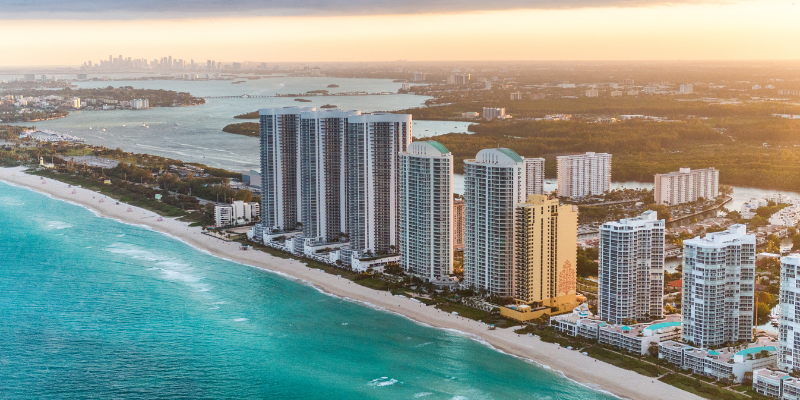
Understanding the distinction between residential and commercial for Florida real estate closings is essential. The differences influence how contracts are drafted, due diligence is conducted, financing is arranged, and risk is managed.
Residential Closings
Residential real estate transactions—such as purchasing or selling a single-family home, townhouse, or condominium—are usually more standardized and straightforward.
In Florida, residential contracts often use pre-approved forms provided by the Florida Realtors Association. These forms outline contingencies, obligations, and standard timelines, which simplifies the process for first-time buyers or repeat homeowners.
Key characteristics of residential closings include:
- Standardized Contracts: The majority of residential contracts follow a similar structure, including contingencies for financing, inspections, and title review.
- Shorter Timelines: Residential transactions typically close within 30 to 60 days, depending on lender approval, inspections, and escrow requirements. This makes the process relatively fast compared to commercial real estate closings.
- Traditional Financing: Most buyers rely on conventional mortgage loans from banks, credit unions, or government-backed programs such as FHA or VA loans. Lenders impose specific requirements for appraisals, insurance, and title coverage, thereby providing additional layers of oversight.
- Risk Management: Although residential closings may appear straightforward, they are not entirely risk-free. Legal oversights—such as undisclosed liens, unpermitted improvements, or errors in the property description—can lead to disputes or financial loss.
Engaging an experienced attorney or law firm that provides real estate closing services ensures any issues are identified and resolved before closing.
Commercial Closings
On the other hand, commercial real estate closings, covering properties like office buildings, retail centers, warehouses, apartment complexes, and undeveloped land, are highly complex and unique. Unlike residential transactions, each commercial deal is customized, and no two contracts are exactly alike.
Key distinctions for commercial closings include:
- Custom Contracts: Commercial purchase agreements are often drafted specifically for each deal and can include specialized clauses regarding:
- Tenant rights
- Environmental remediation
- Profit-sharing
- Non-compete clauses
- Extensive Due Diligence: Commercial buyers must conduct thorough inspections, environmental assessments, financial audits, and zoning reviews to ensure a comprehensive understanding of the property. For income-producing properties, verifying the accuracy of tenant leases, income statements, and operating expenses is crucial for noting if it’s a sound investment.
- Complex Financing Structures: Commercial financing may involve multiple lenders, private equity investors, SBA loans, or seller financing. Commercial loans often come with stricter covenants, unlike residential mortgages. As well as higher interest rates and variable amortization schedules. Missteps in structuring the financing can jeopardize the deal.
- Higher Stakes: Commercial transactions frequently involve millions of dollars. Small oversights—like an unresolved easement, an incorrect survey, or a missing zoning permit—can result in substantial delays, litigation, or even a failed deal.
- Longer Timelines: Depending on the property type, due diligence requirements, and financing complexity, commercial closings in Florida can take 60 to 180 days or more.
Coordinating between lenders, attorneys, inspectors, and title companies requires careful planning when it comes to commercial real estate closings.
Why the Distinction Matters
The differences between commercial vs. residential real estate closing Florida directly impacts:
- Risk Assessment: Commercial transactions typically involve higher financial and legal risks compared to most residential transactions. Mistakes in contract language, title review, or zoning compliance can lead to significant financial loss. Therefore, it’s imperative to have a real estate closer attorney in particular for commercial properties.
- Professional Guidance: Commercial buyers almost always require specialized legal counsel. Cobb & Gonzalez can help manage the complex web of contracts, inspections, and financing conditions.
- Investment Planning: Due diligence, cost considerations, and regulatory compliance differ greatly between the two types of transactions. Accurate planning ensures that buyers and investors make informed decisions aligned with their financial goals.
While both residential and commercial closings in Florida involve transferring property ownership, the scope, complexity, and financial stakes can be much greater in commercial deals. Recognizing these differences and leveraging experienced real estate closing services can help prevent costly errors during the process.
Due Diligence
This next critical step is due diligence. This is the process of verifying that a property is legally sound, financially viable, and free of unexpected liabilities. Whether commercial or residential, Proper due diligence protects both buyers and lenders while reducing the risk of costly surprises.
Residential due diligence follows a standardized checklist, while commercial due diligence is unsurprisingly more extensive and tailored to the property, market, and financial structure.
Residential Due Diligence
Residential focus is on ensuring the property is safe, functional, and legally compliant. The key steps include:
- Home Inspections: Assess structural, roofing, plumbing, electrical, and HVAC systems; identify repairs or credits before closing.
- Appraisals: Confirm fair market value to protect both buyer and lender.
- HOA Review: Examine covenants, fees, and restrictions to avoid conflicts.
- Legal Boundaries: Verify lot lines, easements, and access rights.
- Building Code Compliance: Ensure renovations and major systems meet local ordinances. You can find out more about the Florida Building Code here.
Residential due diligence can be completed within weeks. It’s a critical step as even minor issues, for instance an undisclosed fence encroachment or an expired permit, can complicate ownership post-closing.

Commercial Due Diligence
Commercial transactions require a rigorous investigation. Key components include:
- Environmental Assessments: Identify contamination or hazardous materials.
- Lease & Tenant Review: Confirm revenue streams, enforceability, and tenant rights.
- Financial Audits: Verify income, expenses, and projected returns.
- Survey & Zoning Analysis: Ensure permitted uses, access, and zoning compliance.
- Structural & Systems Inspections: Include mechanical, electrical, plumbing, roofing, elevators, and fire safety systems.
- Legal & Contract Review: Assess bespoke contracts, liability clauses, profit-sharing, and operational restrictions.
Given the complexity and high financial stakes, rushing due diligence can lead to costly operational issues, legal disputes, or a failed closing. Cobb & Gonzalez can provide guidance in real estate litigation if challenges arise, helping resolve conflicts and protect your investment.
Title Searches and Title Insurance
Next, ensuring a clear and marketable title is critical. Without it, ownership cannot legally transfer, and both buyers and lenders are exposed to risk. Title searches and insurance verification make certain that the property is free from hidden claims, liens, or restrictions that could affect its use or value.
Key issues identified in a Florida title search include:
- Existing liens or judgments, such as unpaid taxes or court claims.
- Easements or encroachments that affect property access or use.
- Unreleased mortgages remain despite prior payoffs.
- Restrictive covenants or conditions limiting property use.
Residential Title Work:
Residential title searches are mostly straightforward. The key points include:
- Standardized premiums, typically paid by the seller for the owner’s policy and the buyer for the lender’s policy if the property is financed.
- Minor title issues, such as liens or deed errors, are typically resolved quickly.
- Shorter ownership chains make the process more efficient.
Commercial Title Work:
Commercial properties involve more complexity:
- Multiple parcels and overlapping easements or covenants require careful review.
- Lenders may request specialized endorsements for mechanics’ liens, access rights, or environmental concerns.
- Resolving issues can take weeks or months, making early legal involvement essential.
Overall, proper title work protects investments, ensures lender security, and avoids delays or disputes.
Zoning and Land Use Considerations

Residential Zoning
Most residential properties are located within established zoning districts, making compliance relatively simple. Buyers generally need to confirm:
- The property is zoned appropriately (e.g., single-family, duplex, or condominium).
- Any improvements or additions were properly permitted.
- No outstanding code violations exist.
Commercial Zoning
Commercial properties often present these additional challenges:
- Rezoning or conditional use permits may be required.
- Compliance with parking, signage, and access requirements must be confirmed.
- Local impact fees and development regulations may apply.
- Restrictions may exist on hours of operation or types of businesses permitted.
Failure to address zoning issues prior to closing can delay projects or result in fines. Attorneys with experience in commercial real estate ensure that zoning codes are reviewed, permits are obtained if necessary, and potential development limitations are identified in advance.
Financing & Contract Structures
Residential Financing
Addressed earlier in the article, most residential buyers secure traditional mortgages through banks, credit unions, or government-backed loans. Purchase agreements typically follow standard forms approved by the Florida Realtors, with contingencies for financing, inspections, and title.
Commercial Financing
Commercial deals often involve more complex arrangements:
- Loans through commercial banks or Small Business Administration (SBA) programs
- Private equity or investor funding
- Seller financing or purchase-money mortgages
- Partnership or corporate entity structures
When commercial contracts are drafted, they often include clauses addressing non-compete agreements, assignment rights, and profit-sharing arrangements. These provisions require careful legal review to avoid conflicts or issues with enforceability.
Timelines and Closing Costs
To reiterate, residential closings typically occur within 30–60 days after the contract is executed. Costs include title insurance, recording fees, documentary stamp taxes, and lender charges. Because the process is standardized, fees are relatively predictable.
Commercial closings may take anywhere from 60 to 180 days or more. Additional costs may include:
- Environmental studies
- Survey updates
- Legal fees for negotiating complex documents
- Higher title insurance premiums
Savvy closing attorneys create detailed closing checklists and timelines to keep your residential or commercial real estate transaction on track.
Closing Costs: Who Pays What in Florida?
Property transfers hinge on the Closing Disclosure (CD) or settlement statement, a document that meticulously accounts for every dollar exchanged. While both commercial and residential transactions incur fees, these costs differ significantly. Understanding the breakdown of closing costs is a cornerstone of effective real estate closing services.
Residential Closing Costs Breakdown
As we’ve said, residential closing costs in Florida are relatively standardized. The key components include:
- Title Insurance Premiums: In most Florida counties, the seller typically pays for the owner’s title insurance policy, which protects the buyer’s equity. The premium amount is state-regulated and based on the purchase price. The buyer, however, pays for the lender’s title insurance policy if financing the purchase.
- Documentary Stamp Taxes: Florida levies a tax on the transfer of the deed (typically paid by the seller) and a separate tax on the mortgage note (paid by the buyer). The deed tax is often one of the largest mandatory costs for sellers.
- Intangible Tax on Mortgage: Buyers financing their home must also pay a separate intangible tax on the principal amount of the mortgage.
- Lender Fees: These include loan origination, underwriting, and appraisal fees, all of which are typically the buyer’s responsibility.
For a typical single-family home, all these costs are clearly outlined on the standardized Closing Disclosure, a federally mandated form governed by the Real Estate Settlement Procedures Act (RESPA) designed to ensure transparency and protect consumers.
Commercial Closing Costs in Florida: Higher Stakes, Higher Fees
When comparing commercial vs residential real estate closing in Florida, the total cost and complexity of the settlement process escalate dramatically in commercial deals.
- Negotiability: Unlike residential closings, commercial transactions rarely rely on standard forms, and the division of closing costs is highly negotiable. The purchase agreement explicitly determines who pays for which fees.
- Higher Premiums: Due to the often multi-million-dollar values, title insurance premiums are substantially higher. Commercial lenders frequently require specialized title endorsements to protect against broader risks—such as mechanic’s liens, access issues, or comprehensive coverage—adding significant cost, typically borne by the buyer.
- Specialized Reports: Buyers incur costs for extensive due diligence, including Phase I/Phase II environmental studies, complex surveys, and sometimes geotechnical reports—expenses that are minimal or nonexistent in residential transactions.
- Legal Fees: Commercial contracts are bespoke and require intensive negotiation and review, including leases, entity documents, and financing agreements. Legal fees for commercial closings are therefore significantly higher than for residential closings.
Prorations: Simple vs. Complex
“Prorations” refer to dividing recurring costs, such as property taxes, HOA dues, or utility assessments, between the buyer and seller as of the closing date.
- Residential: Prorations are typically straightforward, focusing primarily on property taxes and occasionally HOA fees.
- Commercial: For income-producing properties (like apartment complexes or office buildings), the proration section becomes highly complex. The closing agent must meticulously prorate:
- Existing tenant rents received and security deposits held
- Operating expenses, including maintenance contracts and insurance
- Any prepaid or accrued charges related to property management
This level of detail requires an experienced closing attorney to ensure the investor’s financial model remains accurate post-closing and to avoid disputes or losses after the transaction.
Why Work With a Florida Law Firm for Real Estate Closing

Whether you’re buying your first condo or your next office building, having an attorney handle your real estate closing services offers you ease and peace of mind during the process. Here are a few things Cobb & Gonzalez real estate closing and title services can help with:
- Risk mitigation: Identify and resolve issues before they become costly disputes.
- Regulatory compliance: Ensure adherence to Florida’s real estate, zoning, and lending laws.
- Efficient coordination: Communicate with lenders, inspectors, and title companies on your behalf.
We also offer related services, including business litigation and construction law, which can be invaluable if your transaction involves development or leasing issues. Reach out today to discuss your specific needs and discover how our expertise can help ensure a smooth, secure, and successful real estate closing.
Navigating Commercial and Residential Real Estate Closings with Confidence
The differences between commercial and residential closings in Florida are significant. While residential transactions are often more routine, they still carry potential legal risks. Commercial transactions involve extensive due diligence, complex title work, zoning challenges, and intricate financing arrangements.
Engaging a law firm that offers comprehensive real estate closing services allows buyers and sellers to protect their investment, streamline the process, and avoid surprises at the closing table.If you are planning a Florida real estate closing, whether residential or commercial, our team can guide you through every step. Contact us today to discuss your property needs and discover how our expertise can help you achieve your goals!